
Empty Touch — “The Palace” and its workshop
Empty Touch 空触觉
“Empty touch” is a tactile experience I discovered that can simulate the feeling of touching something by reenacting the gesture of touching the object guided, by verbal or visual cues. This project contains a video installation and a workshop series
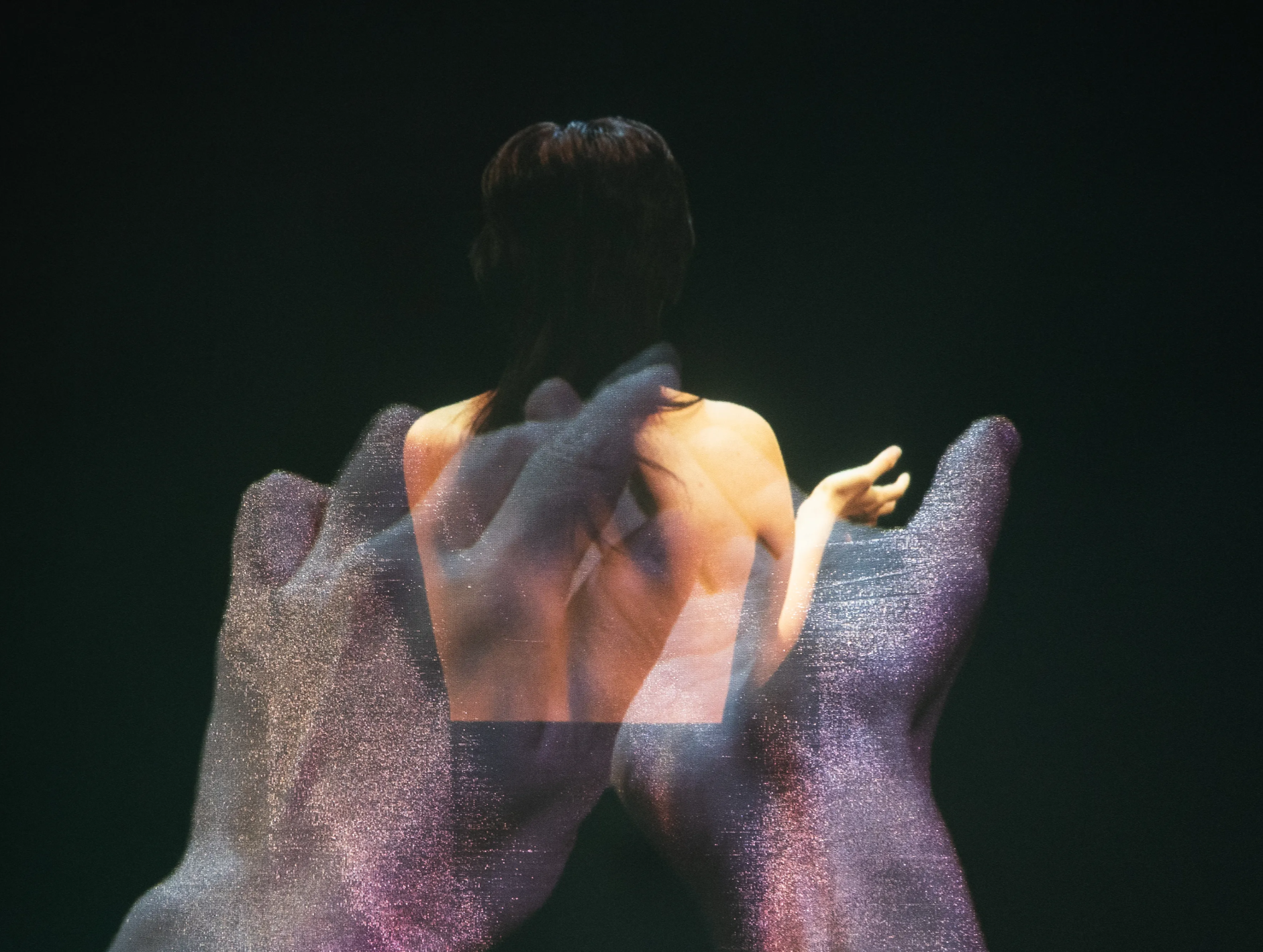

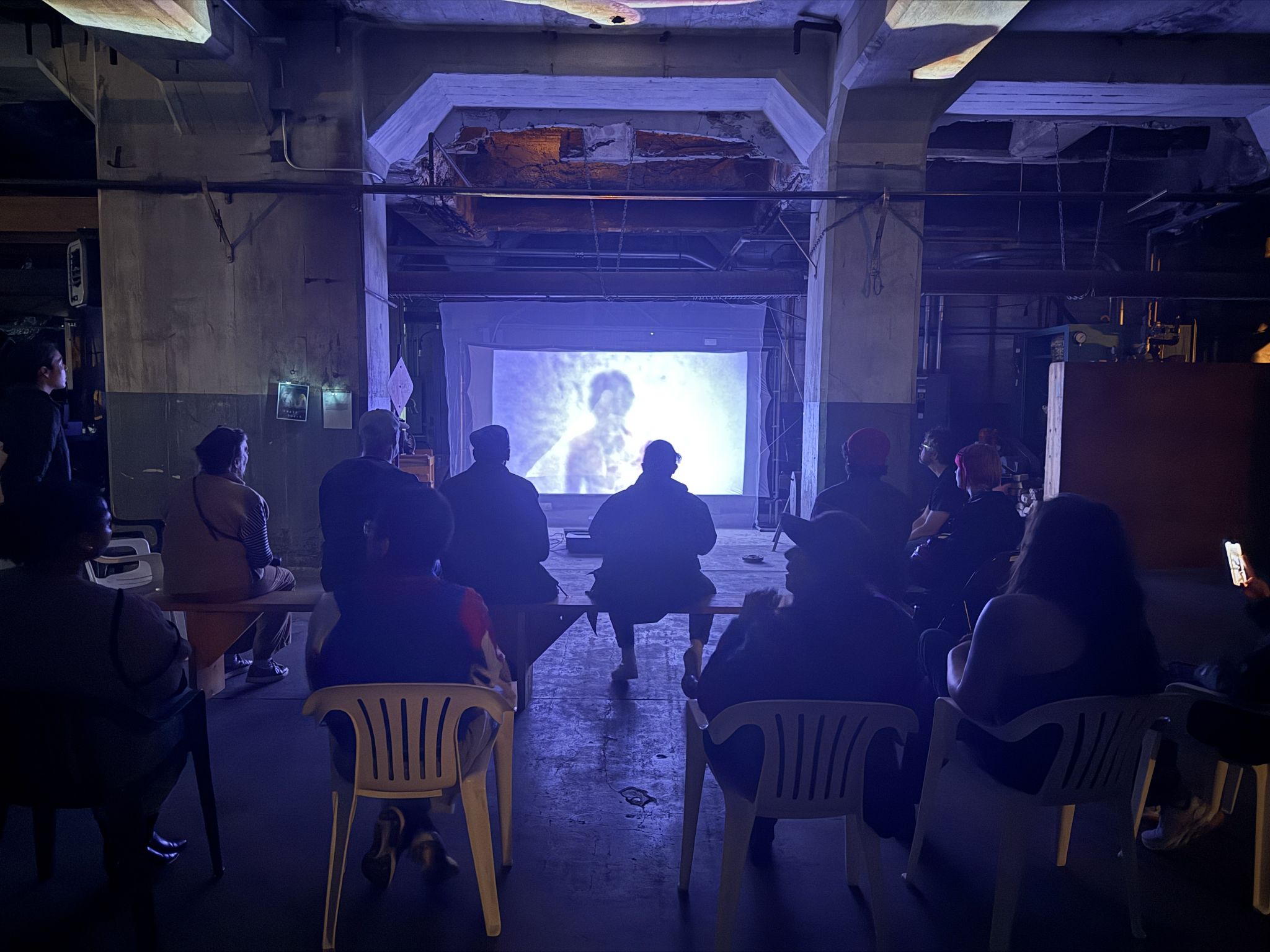

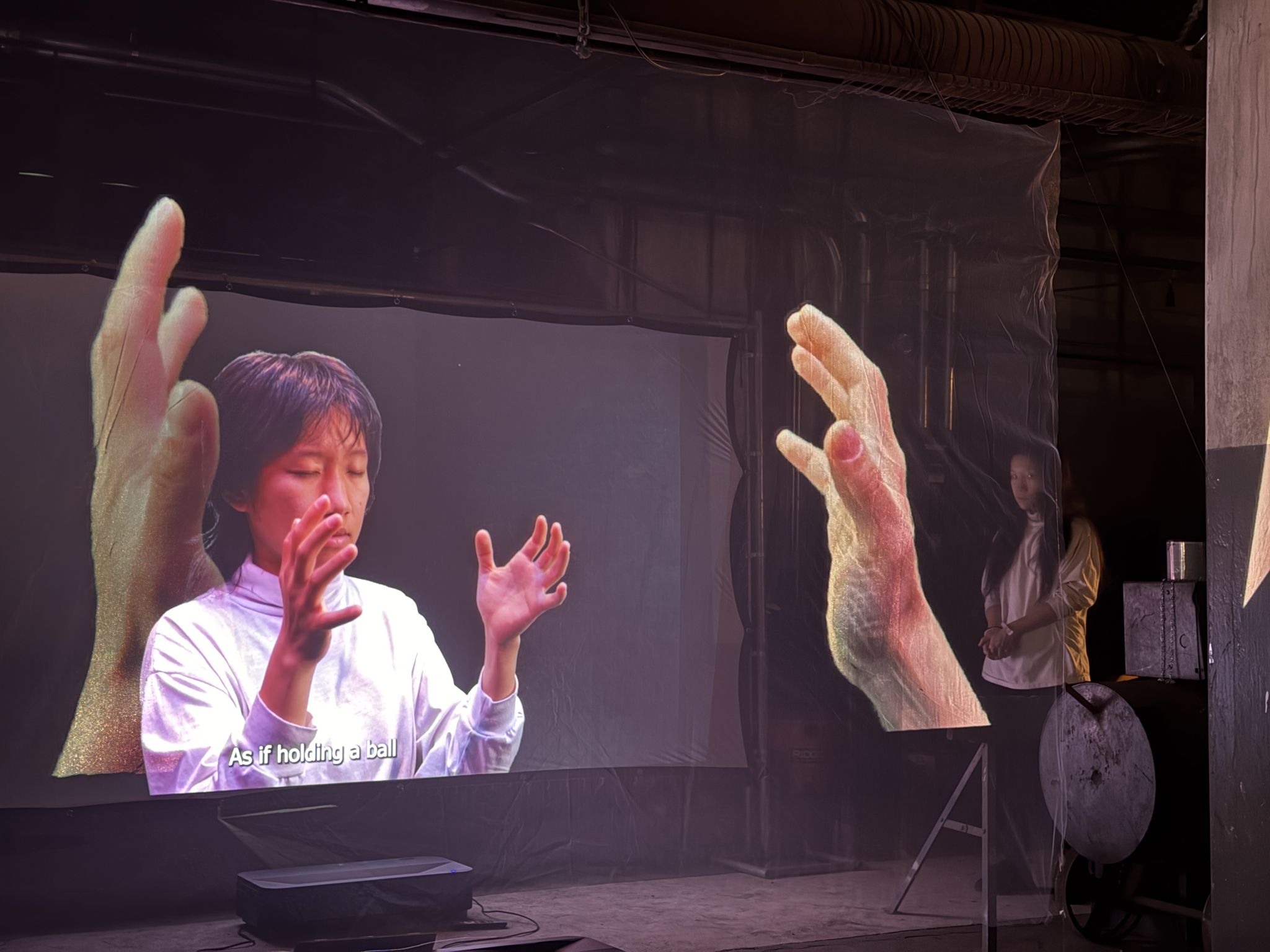
The Palace | 宫殿
Video Link: https://youtu.be/LzCTLmiBhfc
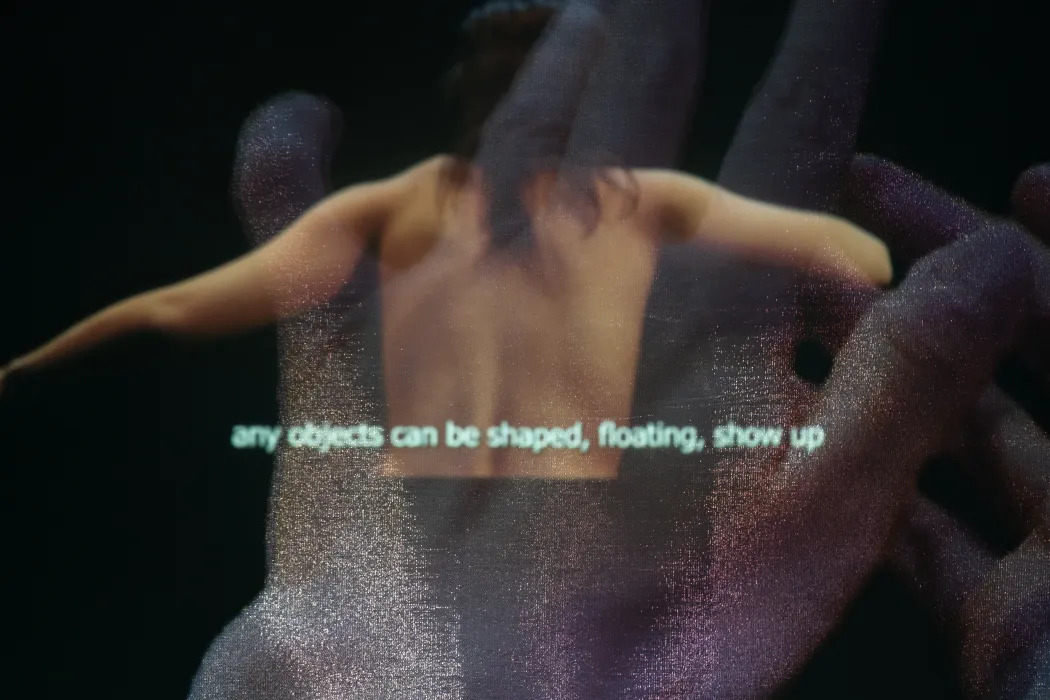
11'24'', Two channel video installation, transparent fabric and projections, 2023.
"The Palace" is a combination of tactile experience and visual storytelling. The holographic and immersive experience render the piece both as a tutorial and a narrative, and its narrative perspective is both first person and third person. The plot adapts the story of the Emperor's New Clothes and Buddhist scriptures Śūraṅgama Sūtra; in the Emperor's New Clothes, the emperor is deceived into wearing invisible clothing, but in my story, the emperor voluntarily chooses to do so because he believes that memories from the cherished one are more important than luxurious garments made of jewels. As long as one believes, even in ruins, the treasures in one's heart will not disappear.
《宫殿》是触觉体验与视觉叙事的结合。全息沉浸式体验使这部作品既是教程又是叙事,其叙事视角兼具第一人称和第三人称。情节改编自《皇帝的新装》和佛教经典《楞严经》;在《皇帝的新装》中,皇帝被欺骗穿上了隐形衣服,但在我的故事里,皇帝主动选择这样做,因为他相信来自珍爱之人的回忆比用珠宝制成的奢华服装更重要。只要相信,即使身处废墟,心中的珍宝也不会消失。


Empty Touch Workshop | 空触工作坊
workshop,2023-now
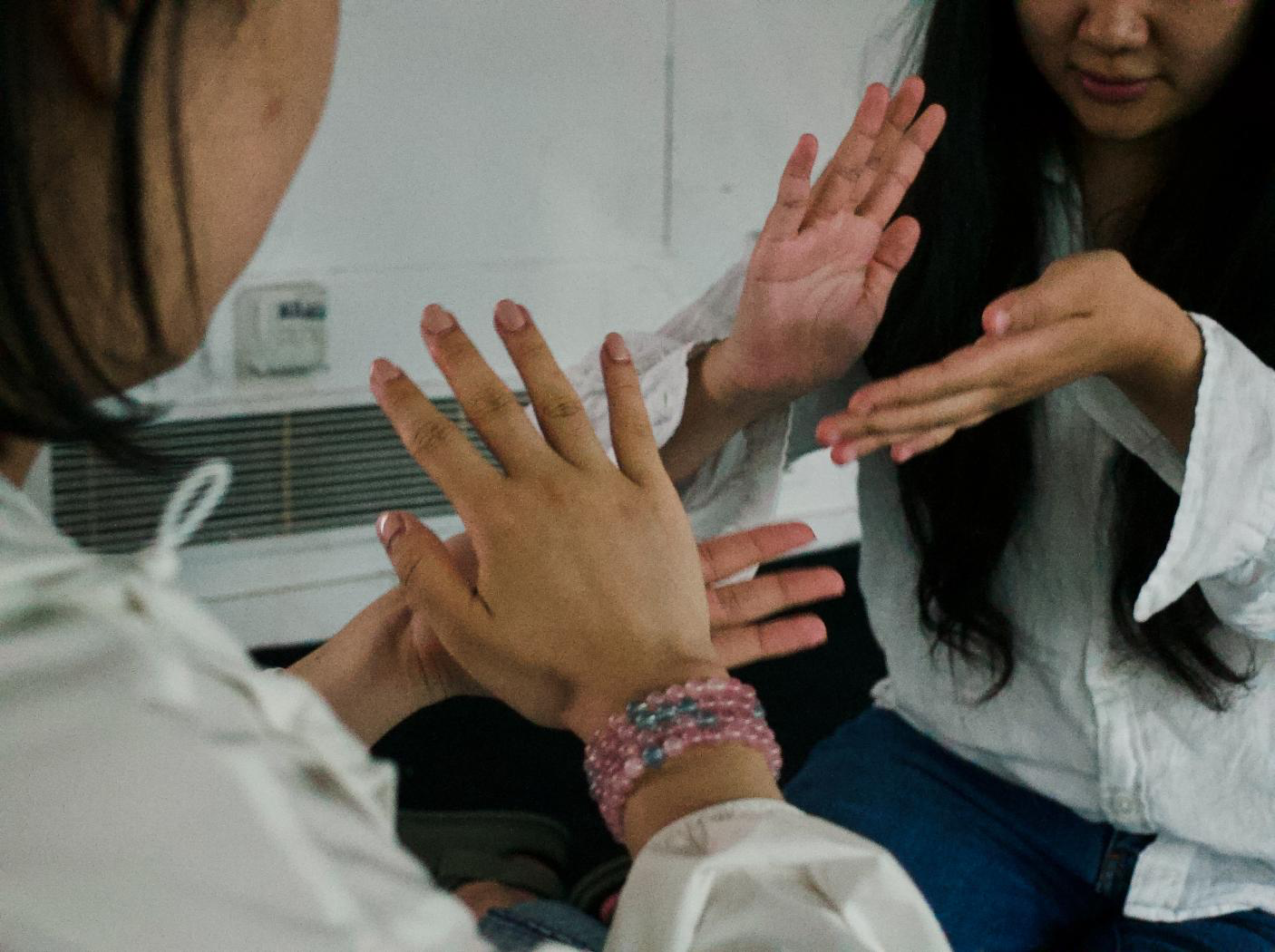
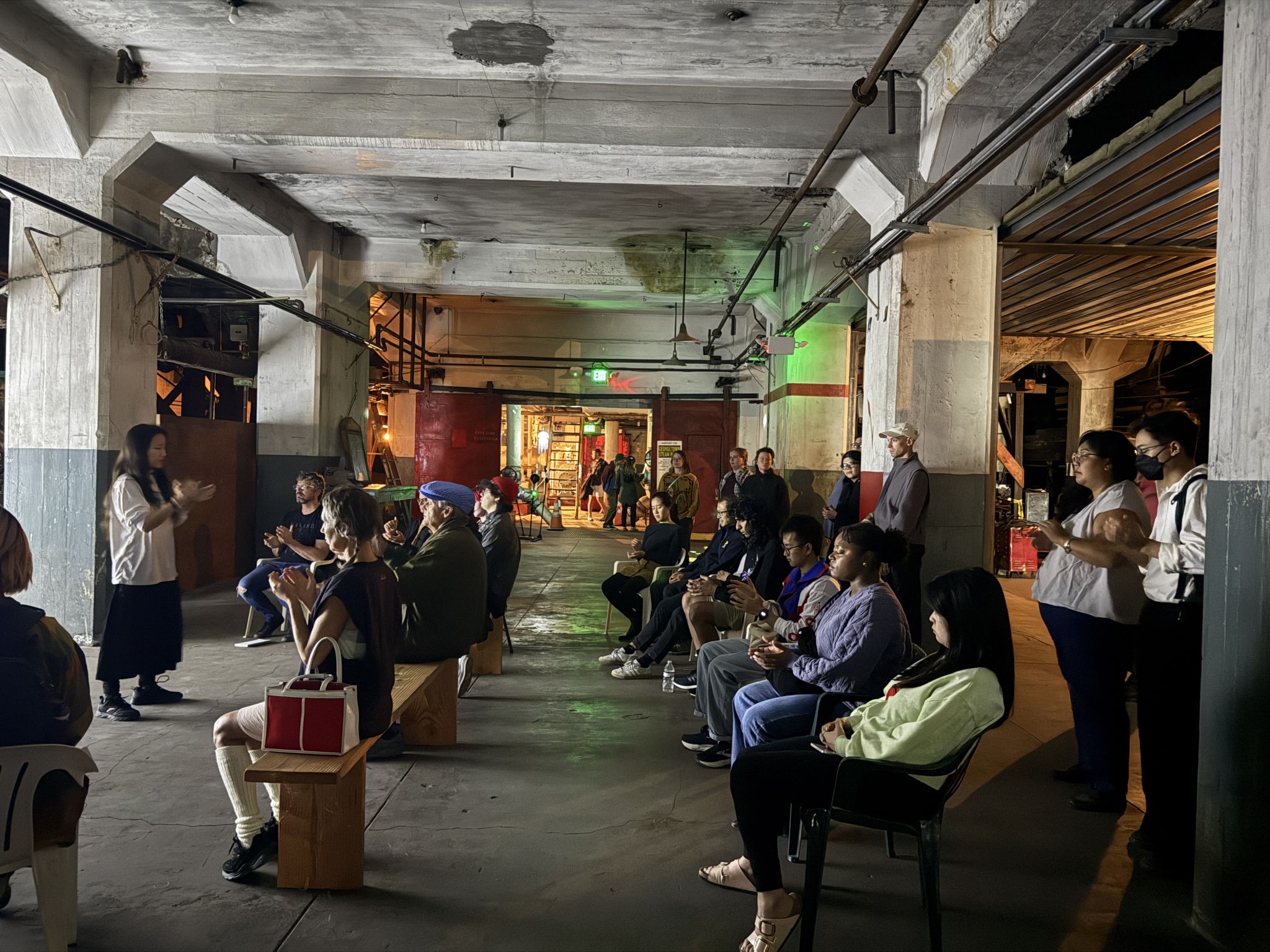
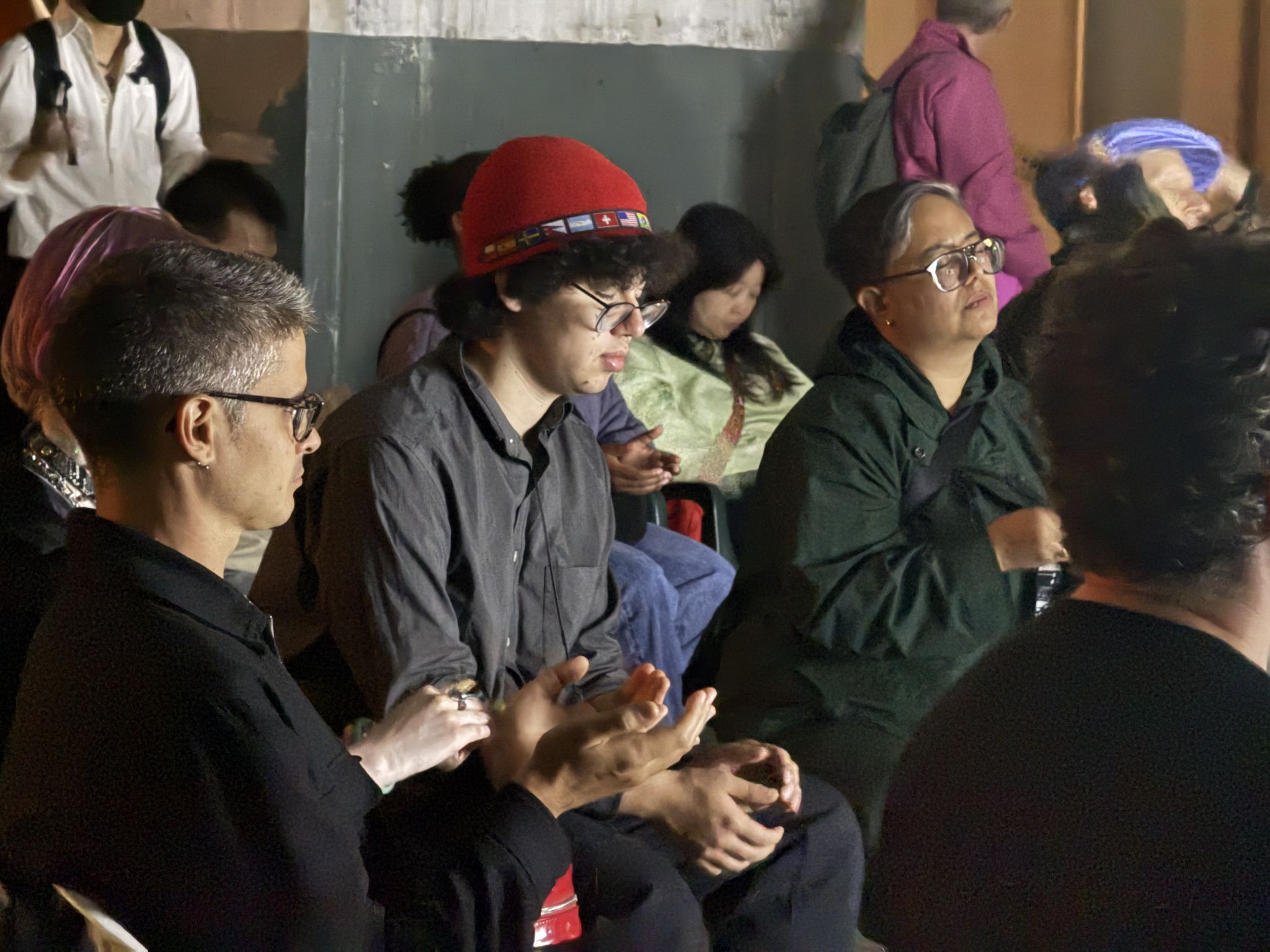
Using the same fictional framework of “The Palace”, the workshop is an embodied an interactive journey of the empty touch. The workshop starts with watching the video installation of “the Palace”, and then I acted as the host of “The Palace”, guide participants with various exercises: to touch objects, to extract texture from objects, to touch the space, or to use this method to experience other artworks, such as poems, films, etc.
This workshop has been hosted in UCCA Museum, New York Accent Sisters Book Store, Seattle SPAM New Media Festival, VCUarts Graduate Candidacy Group Exhibition, Shanghai E-flow and Guangzhou Unicorn Screening Space.
工作坊,2023年至今
在《宫殿》这一虚构框架下,本工作坊开启了一场关于“空触”的具身交互旅程。活动以观看录像装置《宫殿》开始,随后我作为“宫殿”的主持人,引导参与者进行一系列练习:触摸实物、从物体中提取质感、触摸空间,或者利用这种方式去体验诗歌、电影等其他艺术作品。
该工作坊曾在 UCCA 尤伦斯当代艺术中心、纽约 Accent Sisters 序言书店、西雅图 SPAM 艺术节、维吉尼亚联邦大学艺术学院(VCUarts)研究生候选人小组展、上海 E-flow 以及广州独角兽放映空间举办。


Empty Touch VR | 空触 VR
Immersive Guided Meditation in VR, 13’, Meta Quest 3 App, 2026
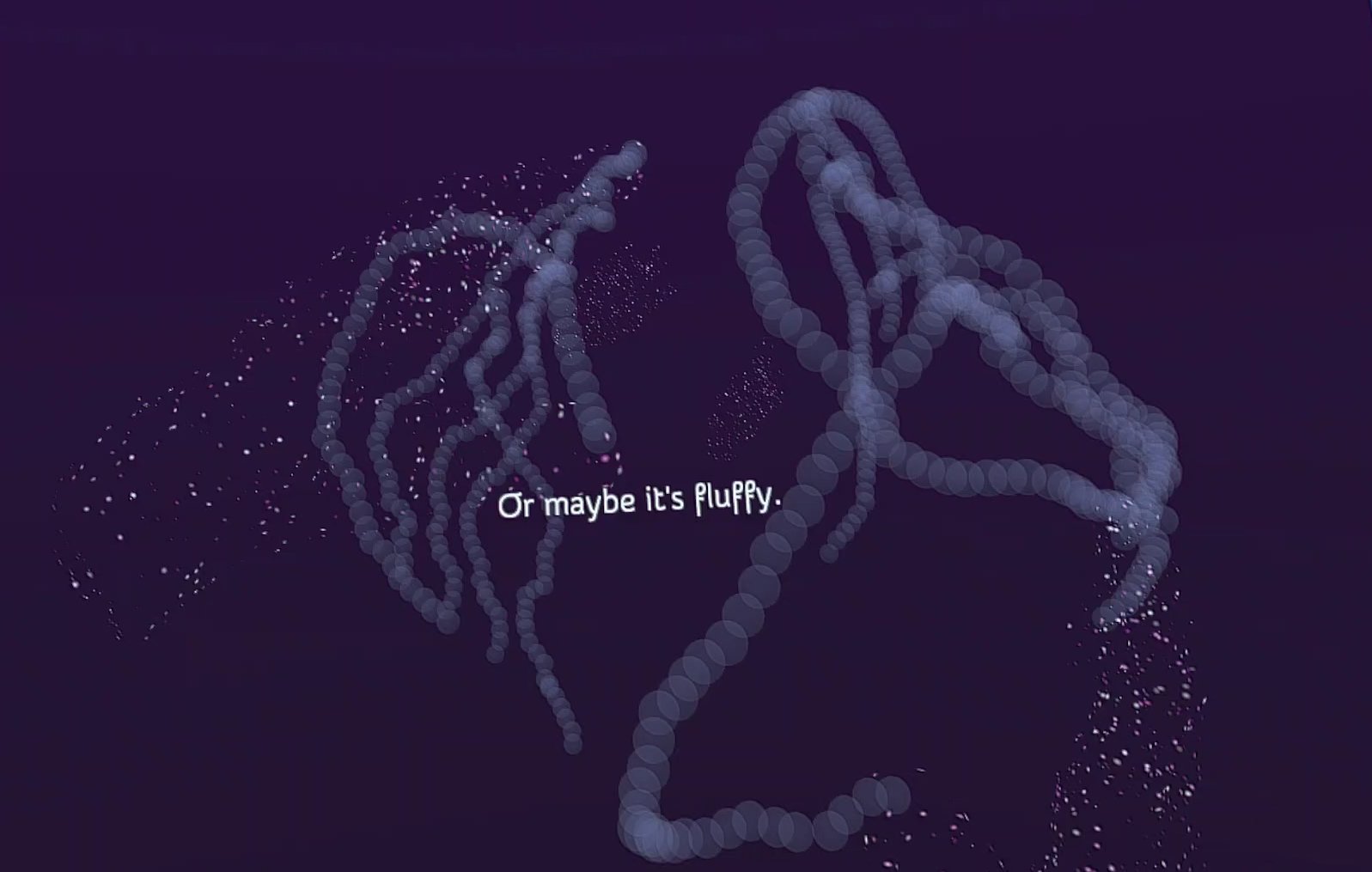
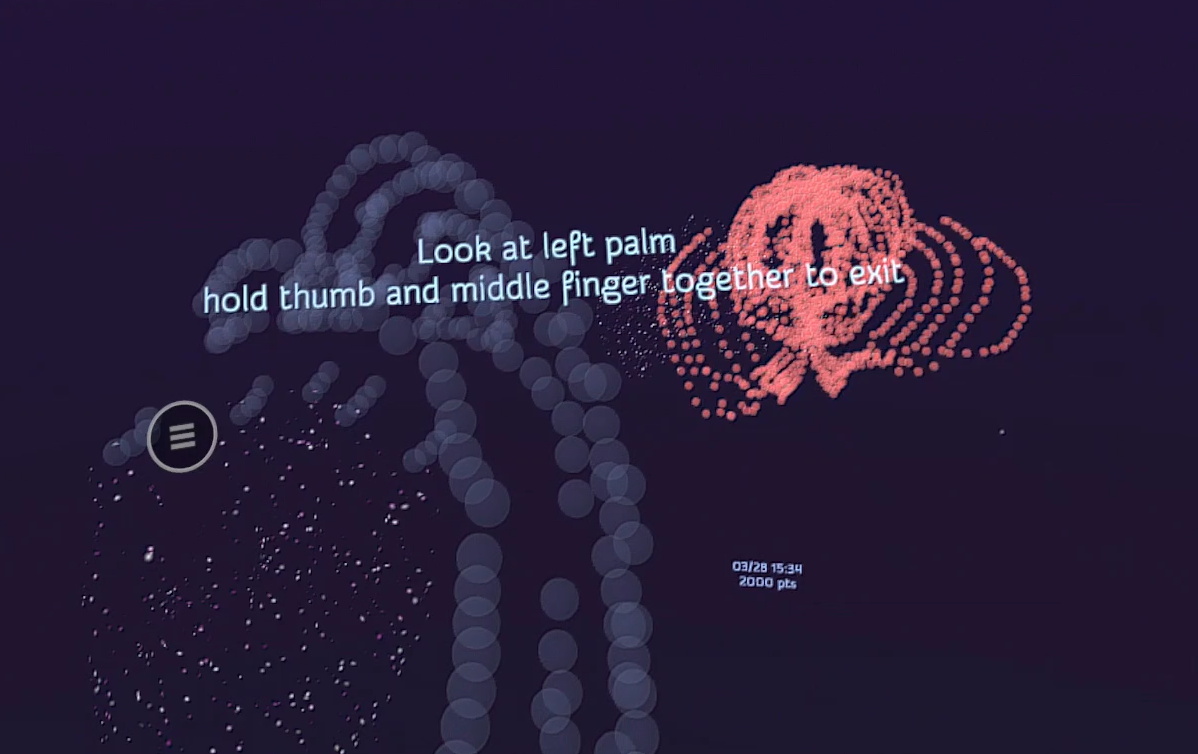
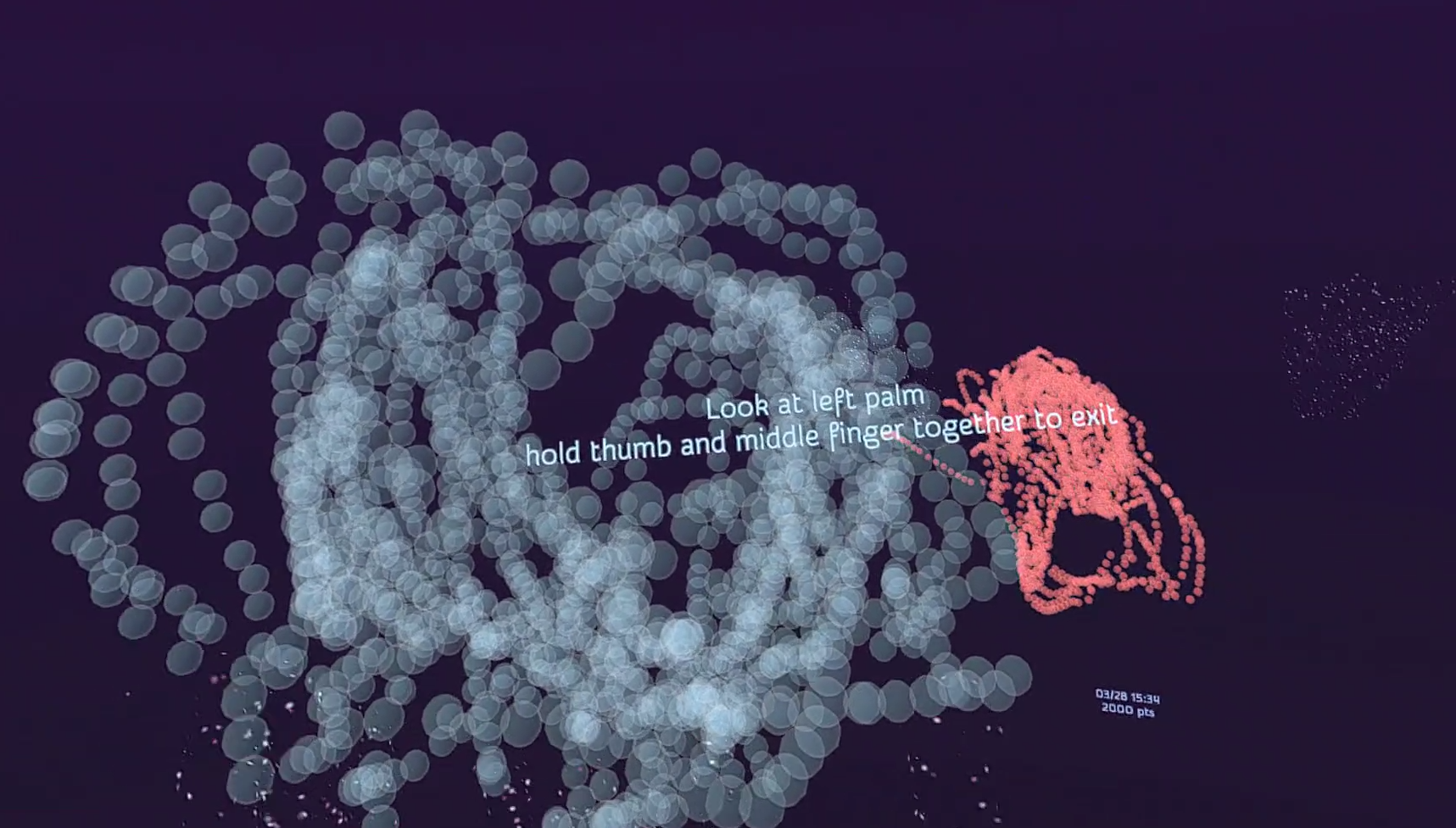
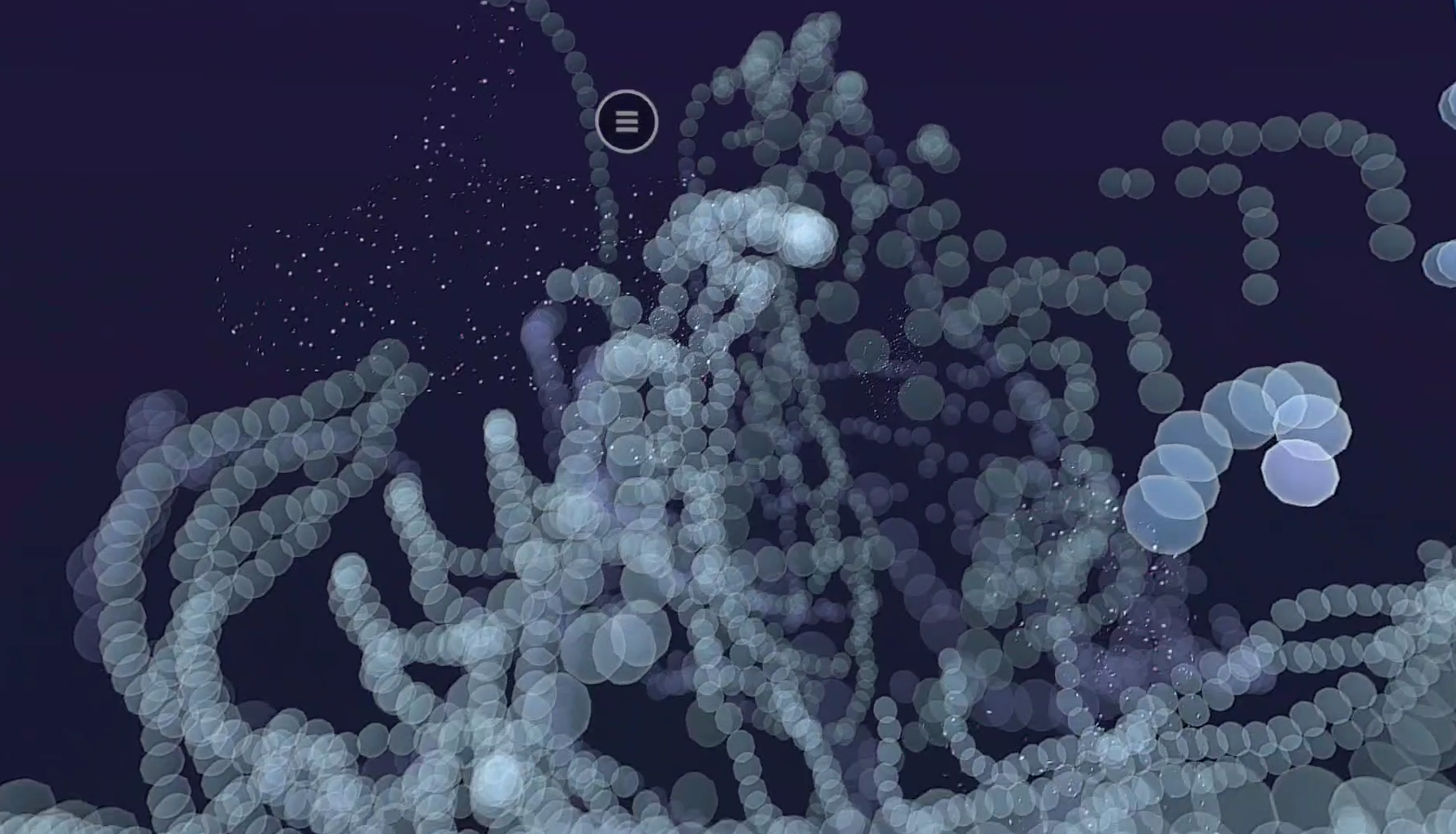
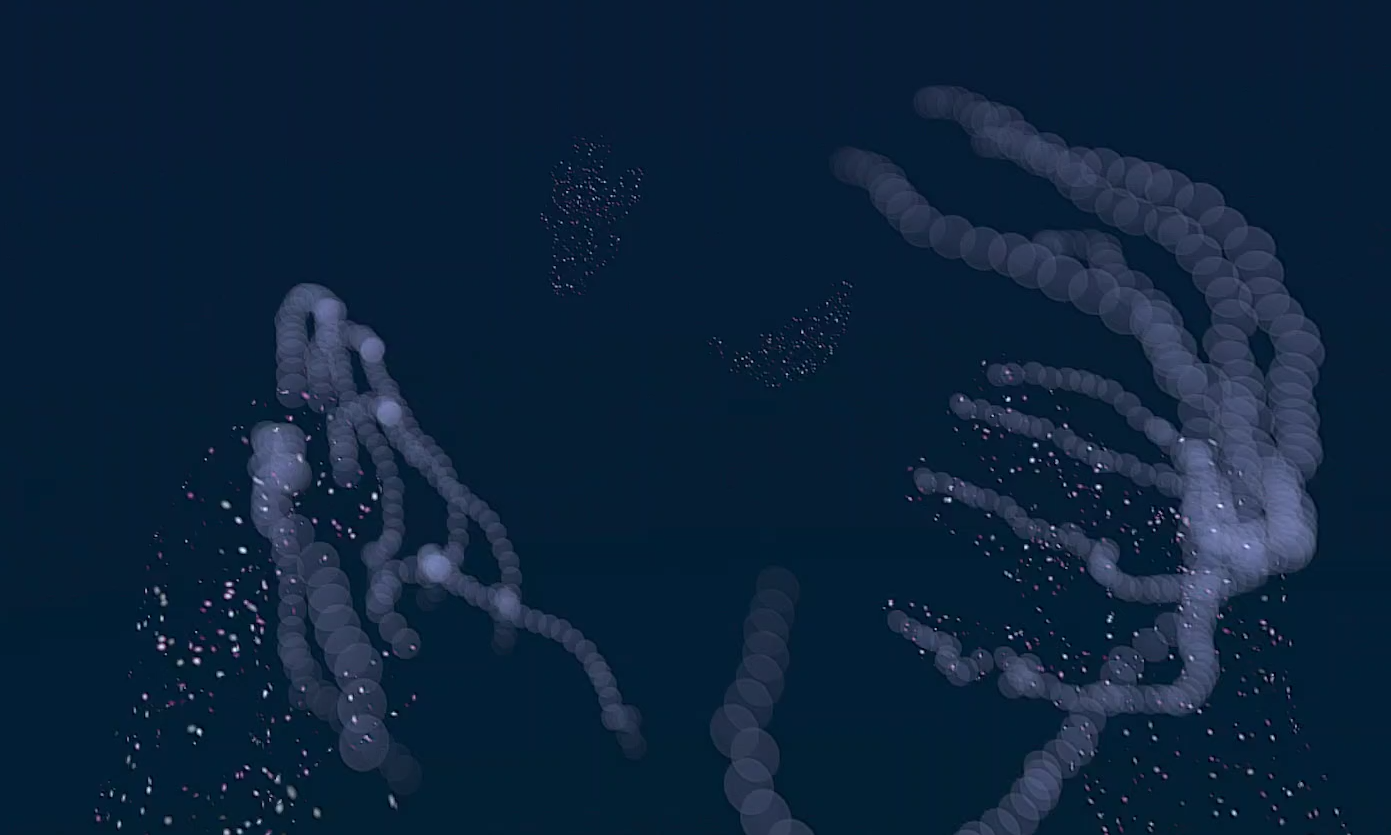
"Empty Touch VR" is the a virtual reality version of the empty touch workshop, where I recorded my guided words and through VR hand tracking, visualize participants' "invisible object" through leaving traces in the space. Players can also view other participants' creation--an asynchronous community sharing of presence and perception
沉浸式 VR 冥想导引,13 分钟,Meta Quest 3 应用,2026
“空触 VR”(Empty Touch VR)是“空触工作坊”的虚拟现实版本。我将导引词记录下来,通过 VR 手势追踪技术,将参与者手中的“无形之物”转化为空间中的视觉痕迹。玩家还可以看到其他参与者的创作——这是一种关于存在与感知的异步社区分享。
创作过程 Creative Process
空触觉是什么? What is Empty Touch
我称之为”空触觉”的东西是一种触觉体验,它可以利用人们的习惯性动作和记忆来模拟触摸某物的感觉,即便你实际上没有摸到任何东西。
What I call “Empty Touch” is a tactile experience that utilizes people’s habitual movements and memories to simulate the sensation of touching something, even though you are not actually touching anything.
创作契机 Initial Starting Point
最初创作的契机,可以说是源自一种非常实用主义的想法。就是不想搬家。
触觉电影会产生很多需要存放的实体道具,例如布料、滚筒、玩偶等等。不是所有的道具都是那么容易找到的,至少你可能得提前淘宝一下,而且封箱之后他们就变成了一些尴尬的“目前没用但是总有一天会有用”的闲置物品。这就导致每次我去外地演出时,必须将所有道具打包寄出,非常麻烦。为了避免这种情况,我一直尽量简单的道具,但毕竟触觉的研究就是很大程度上关于物质和材料的的,所以道具始终会越积越多。
我就在想:有没有什么方法可以不用这么多麻烦的实体道具,也能够传递触觉体验呢?
在观看电影《燃烧》时,女主凭空表演了一个“吃橘子”的无实物表演。这个行为本身却深深吸引了我,让我泛起一阵鸡皮疙瘩。我忍不住自己也尝试了一下,尝试用手就模仿摸着一个橘子的动作,抚摸它、掂量它。我惊讶地发现这个简单的无实物表演竟然给了我强烈的触觉感受,就好像我手里真的拿着一个橘子。
我意识到触觉感受并不一定要依靠实体材料,只要通过动作就仿佛触摸到不存在的实体。比起看电影,自己在做时的触感更加强烈,像是有呼吸一样,触感出现之后又像烟一样散开,然后又迸出来一下。
这是我第一次接触到不用任何材料就能制作触觉戏剧的可能性,我称之为 ”空触觉“。它确实对触觉艺术的许多关键概念提出了挑战—什么是触觉、什么是触感、什么是材料、什么是拥有?
当时只是感觉到它很有趣,想要再探索它。但是没有意识到冥冥之中,它其实在回答一些我自身的困惑的迷惘。这我在后面会详细说。
The initial inspiration came from a very practical idea: not wanting to move.
Tactile performances often involve a lot of physical props, such as fabrics, rollers, dolls, and so on. Not all props are easy to find; you might have to shop online in advance, and once they’re boxed up, they become awkward “currently useless but might be useful someday” items. This means that every time I travel for a performance, I have to pack and ship all the props, which is very troublesome. To avoid this, I’ve always tried to use simple props. However, since the study of tactility is largely about matter and materials, the props inevitably accumulate.
I wondered, is there a way to convey a tactile experience without using so many cumbersome physical props?
While watching the movie Burning, the female lead performed an “eating an orange” mime. This act itself deeply attracted me, giving me goosebumps. I couldn’t help but try it myself, mimicking the actions of touching and weighing an imaginary orange with my hand. I was amazed to find that this simple mime gave me a strong tactile sensation, as if I was really holding an orange.
I realized that tactile sensations do not necessarily rely on physical materials; you can feel as if you’re touching something nonexistent through movements alone. Unlike watching a movie, the sensation was stronger when I did it myself, like a breath—appearing and then dissipating like smoke, only to re-emerge suddenly.
This was my first encounter with the possibility of creating tactile theatre without any materials, which I call ”Empty Tactility.” It indeed challenges many key concepts in tactile art—what is tactility, what is texture, what is material, what does it mean to possess?
Initially, I just found it interesting and wanted to explore it further. But I didn’t realize that, unknowingly, it was actually answering some of my own confusions and dilemmas. I’ll elaborate on this later.
工作坊实验 Workshop Experiments
最初的测试 Initial Tests

最初的测试是在触目的一次线上的Open Touch的活动上。但是当时这个想法还只是非常模糊的概念,所以说时候做了之后大家都很困惑,但是总体的反馈是确实会有一点感觉,但是需要更好的带领和流程。当时啵啵舞厅的Berlina介绍了我一种方式,是通过搓手产生一种似乎在摸东西的感觉,然后带领大家开始摸他们自己的”不可见雕塑“。我发现这个方法非常有效,于是后面所有工作坊的开头都采取了这个做法。
后来我首先召集了我在里士满当地的朋友(实际上就是我的另外两名研究生同学)做了一个迷你的线下工作坊。在这个工作坊里我们每个人带来了一样物品,然后我引导大家一起创建“不可见的雕塑”。在这个工作坊里我引入了一个虚构的“宫殿”的概念。这个概念主要是提供一种沉浸式的剧情,从实用角度上可以不用。但是我却对这个概念情有独钟,在后面我会详细解释的。
那次的效果非常神奇,可能因为我们三个人是朋友的缘故,所以感觉到彼此的默契也格外强烈。至今我最喜欢的几个物品之一就来自这次的工作坊。我记得那是一个形状是一张卡片,但是材质是一打卡片的物品,所以它总是处在一种叠加和动态的状态,上面还有一些缝纫的纹路。这个物品的触感是来自我们三个人带来的物品。我永远忘不了那个物品的触感和当时那种magical的感觉,因为它不合理,它不是现实中能存在的物品,但是它比我摸到的任何物品都要更酷更有趣。
The initial tests took place during an online Open Touch event by Tactileye. At that time, the idea was still very vague, so after the experiment, everyone was confused. The overall feedback was that there was indeed some sensation, but it required better guidance and process. Berlina from the Popo Ballroom introduced me to a method of rubbing hands to create a sensation as if touching something, then leading everyone to touch their own ”invisible sculpture.” I found this method very effective, so I adopted it as the opening practice in all subsequent workshops.
Later, I organized a mini offline workshop with some friends in Richmond (essentially my two graduate school classmates). In this workshop, each of us brought an object, and I guided everyone to create an “invisible sculpture” together. I introduced a fictional concept of a ”palace” in this workshop. This concept primarily provides an immersive storyline, though it’s not necessary from a practical standpoint. However, I have a special fondness for this concept, and I will explain it in detail later.
The effect was quite magical, possibly because of the strong rapport among the three of us friends. One of my favorite objects to this day came from this workshop. I remember it was shaped like a card but felt like a stack of cards, always in a state of overlapping and dynamic. It had some stitching textures on it. The tactile sensation of this object came from the items we brought. I’ll never forget the tactile sensation of that object and the magical feeling at that moment because it wasn’t something that could exist in reality, yet it was cooler and more interesting than anything I’ve touched.
线上工作坊

空触觉触摸工作坊的第二个版本是通过 触目Tactileye 的线上工作坊完成的。在这个工作坊中,我邀请大家借用现实生活中物体的质感,通过想象和记忆再现它。参与者与三件物品互动,了解它们的形状、质地和重量,构建一个无形的复制品,然后把它收藏在你宫殿的某个角落。 重要的是要获得切身的体验,而不是用逻辑解释来记忆。然后,参与者对物体的形状、质地和重量进行雕刻。这就像在3D软件里建模一样,但比在软件里自由度更大,因为你不仅是字面意义上地“空手套白狼”,而且可以触摸到你构造的东西。你的物体可以随意修改、纹理和甚至变化。
The second version of the Mid-Air Haptics Workshop was held through an online session with Tactileye. In this workshop, I invited participants to borrow textures from real-life objects and recreate them using imagination and memory. Participants interacted with three items to learn their shape, texture, and weight, building an invisible replica to store in a corner of their mind palace. The focus was on gaining a felt experience rather than memorizing through logic. Then, participants sculpted the object's form, texture, and weight. It is like modeling in 3D software, but with more freedom; you aren't just creating something out of thin air—you can actually feel what you are building. Your object can be modified, textured, or even transformed at will.
线下工作坊:里士满、北京、上海
第三次工作坊是宫殿的影像装置在美国里士满展出的时候。关于影像装置的创作过程会在下一个章节详述。但总之在美国的展览上,我在影像装置旁边的安排了一个工作坊区域。在那里我尝试把工作坊的流程打印下来,变成一个小册子。方便大家带回去,并且让大家把自己摸到的不可见雕塑的物品都画在一个小本子上。这样产生的结果很有意思,仿佛大家的不可见雕塑都被这样展示了出来。看到别人的“咒语”也能浮想联翩。
后来在国内,在北京的UCCA和上海的e-flow做了两次工作坊。工作坊的过程大致如下:
不可见的雕塑工作坊
14:00-14:10 装置
14:10-14:15 开场白
14:15-14:25 (这个时候装置要被收拾一下)摸第一个东西(自由版,摸到一个自己很熟悉的东西)
“这个触感和这个造型,非常熟悉,在哪儿摸过类似的呢?可能记不清楚了,没关系。你下意识想到什么,就是什么。” 放置物品
14:25-14:35 交换物品(8-10)
14:35-14:37 简单交流一下刚刚摸到了什么
14:35-14:45 靠墙, 呼吸练习
14:45-15:10 贴着墙走(8)+呼吸运动中找到宫殿(6)+发声宫殿,这个房间是哪儿(8)
15:10-15:20 交换第一轮:交换宫殿(5)+找出之前的东西(3)交流感受(2)
15:20-15:25 交换第二轮:交换宫殿(5)+ 找出之前的东西(3) 交流感受(2)
15:25-15:30 写总结 交流 致谢
Offline Workshops: Richmond, Beijing, Shanghai
The third workshop took place during the exhibition of the palace video installation in Richmond, USA. The creation process of the video installation will be detailed in the next chapter. In summary, at the US exhibition, I set up a workshop area next to the video installation. There, I tried to print out the workshop process, turning it into a small booklet. This made it convenient for people to take home, and allowed participants to draw their invisible sculptures in a small notebook. The results were quite interesting, as if everyone's invisible sculptures were being displayed. Seeing other people's "spells" also sparked imagination.
Later in China, I conducted two workshops at UCCA in Beijing and e-flow in Shanghai. The workshop process was roughly as follows:
Invisible Sculpture Workshop
14:00-14:10 Installation Viewing
14:10-14:15 Opening remarks
14:15-14:25 Touch the first object (modeling version)
14:25-14:40 Exchange + discussion
14:40-14:55 Breathing + learning to touch
14:55-15:05 Touching objects. Three people in a group. (I move around, touching different people's objects)
15:10-15:18 Palace creation (8 minutes)
15:18-15:24 Construction (8 minutes)
15:25-15:30 Write summary, while I give thanks
这两次工作坊比较有意思的是,其中一名参与者——一力那,是一名聋人。所以我在带领的时候同时打开了一个语音转文字的在线会议。同时与她一起做不可见雕塑的时候,本来闭着眼的环节也变成了睁着眼睛,模仿她的动作。令人意想不到的是原来睁着眼睛也是可以感觉到触感的,或许是之后可以继续探索的方向。这次参加的也有我做珠宝和做动画的朋友。做动画的朋友摸到的东西也很有动画的故事感;学珠宝的朋友说这个工作坊让她想到同人文里的守卫向导啥的……嗯?
总体来说,参加完的朋友大部分的感想就是很不可思议,以前没有发现原来竟然靠想象也可以仿佛摸到东西,打开了想象力。另一方面就是能够摸到别人的东西,感觉会有一种没有触碰彼此,但还是“触”到了的快乐。
One of the most interesting parts of these two workshops was that a participant named Ichina is deaf. To lead the session effectively, I used a live speech-to-text tool. When we did the "Invisible Sculpture" together, we changed the usual eyes-closed segment to an eyes-open one so I could mimic her movements.
To my surprise, I realized you can still feel tactile sensations even with your eyes wide open. This is definitely an area I want to explore more later. Some of my friends from the jewelry and animation industries also joined. My animator friend "felt" objects that had a cinematic sense of storytelling, while my jeweler friend said the workshop reminded her of the "Sentinel and Guide" trope from fanfiction... which was unexpected!
Overall, most participants found the experience incredible. They hadn't realized that imagination alone could trigger such physical sensations; it really opened up their creative minds. Another highlight was the joy of "touching" someone else’s creation—there’s a specific kind of happiness in connecting with others without any actual physical contact.
影像装置 Video Installation
前面提到我使用了宫殿这个概念,其实也是在想是否可以让工作坊也像触摸剧一样,有自己的情节和故事。所以宫殿这个场所就是承载着这样故事的一个情景。
但其实,我并不知道不可见雕塑的故事是什么。体验过空触觉的小河评价我,仿佛是皇帝的新衣。我想也确实,皇帝的新衣的故事里的皇帝是被人蒙骗的,那如果这个皇帝是自愿穿上这新衣的呢?
我也在想:不可见雕塑对我来说到底有什么意义呢?或许它可以让我触摸那些我摸不到的东西?那段时间我情感波动也很大,很想我的远方亲友们。我尝试触摸朋友赠送我的玩具和妈妈给我缝的衣服,用他们的触感来来创造不可见雕塑。我想着是这样或许可以成为某种慰藉,却结果却陷入更深的思念和难过中。其实我是真的相信不可见雕塑是“存在”的,它就和实体的雕塑一样有作为正当“存在”的物品的力量。
然而,那又怎样呢?不可见能替代那些我触不可及的家人和朋友吗?能让因为异地恋和思乡而崩溃的我不再哭泣吗? 思念的实体化反而让距离的伤口更加清晰,到头来还不是一场镜花水月。不可见雕塑到底意味着什么呢?梦境就算再真实,也拯救不了我啊。
Earlier, I mentioned the concept of the "palace." I was wondering if the workshop could have its own plot and story, much like a tactile theater performance. In this sense, the palace is the setting that carries that narrative.
But honestly, I don’t know what the story behind "Invisible Sculpture" is. Xiao He, who experienced my air-haptic work, described it as being like The Emperor’s New Clothes. I suppose that’s true. In the original story, the Emperor is deceived. But what if the Emperor chose to wear those invisible clothes of his own free will?
I keep asking myself: what does "Invisible Sculpture" actually mean to me? Maybe it allows me to touch the things I can’t reach. During that time, my emotions were all over the place, and I missed my family and friends back home terribly. I tried to create invisible sculptures by focusing on the textures of a toy from a friend or clothes my mother had sewn for me. I thought this might bring me some comfort, but it only made me sink deeper into longing and sadness. I truly believe that invisible sculptures "exist"—they have the same power and legitimacy as physical objects.
抱着这样的迷茫,我在做关于搓手练习的调查的时候,发现在楞严经里有一段这样的描述:
其人无故,以二手掌,于空相摩。于二手中,妄生涩滑,冷热诸相。受阴当知,亦复如是。阿难!是诸幻触,不从空来,不从掌出。
这段话大致的意思就是说,有一个人,无缘无故就在空中摩擦他的两个手掌,手掌粗糙的摩擦生出了各种各样的感觉,仿佛摸到了什么东西。但这些触感都是掌中的幻象。楞严经是为了通过这个说明:感觉是真实的东西亦可能是虚妄的,所以世间任何事情都是虚的。但我在想:不应该是反过来的吗?如果不用借助物品就可以带来感受,那不是一件很好很方便的事情吗?想到佛教的有无相生的概念,我突然想到(悟了!)不可见雕塑和实际的东西是互相依存的。
当我拥有一件我珍视的物品,我应该知道它也是“不在”的,迟早会离开或者老去,此刻便应多多珍惜它在手上的触感;而当我失去了它,我也不必慌张,因为它也依旧“在”那里,在记忆的宫殿中触手可得。
于是我构思了一个这样的故事:一名国王拥有一件看不见的衣服,这件衣服是他所爱之人为他“编织”,而这个人是一个僧侣。在战乱之后,国王的宫殿化为乌有,他在误打误撞中进入一个山洞,在里面见到一个神秘的宫殿,里面坐着一位老和尚,也就是那位僧侣(从前有座山,山里有座庙,庙里有个老和尚……)但彼时的国王认不出僧侣,但僧侣还记得国王,于是他给他讲了这个故事:一名国王拥有一件看不见的衣服……
这个故事化用了《皇帝的新衣》以及小时候经常听到的“从前有座山,山里有座庙”的睡前故事。在这个视频里,我也展现了一个最基础的空触觉的流程。所以从某种意义上说,这个视频既是一个故事,也是一个教程。
后来我把这个故事拍成了一个影像。当时想做一个影像装置,但得想出一个最好的能利用装置立体感的方案。最后想到了用纱布做出一种裸眼3D的效果。后面的幕布上面投影人物,前面的半透明纱布上用背投手的画面,仿佛那手是一种第一人称视角一样。事后想想,或许这也像那个故事一样,构成了两个平面,时而调换,时而重叠。
With these doubts in mind, I came across a passage in the Shurangama Sutra while researching hand-rubbing exercises:
"A person, for no apparent reason, rubs his two palms together in the empty air. Between his hands, he falsely perceives sensations of roughness, smoothness, cold, and heat. You should know that the 'feeling' aggregate (vedana-skandha) is just like this. Ananda! These illusory touches come neither from the air nor from the palms."
The general idea is that if someone rubs their hands together in mid-air, they might start feeling various textures as if they were touching something real. But these sensations are just illusions. The sutra uses this to explain that feelings can be deceptive, and therefore everything in the world is empty. But I thought: shouldn't it be the other way around? If we can create sensations without needing physical objects, isn't that a wonderful and convenient thing? Thinking about the Buddhist concept of the interdependence of "being" and "non-being," it suddenly clicked: invisible sculptures and physical objects depend on each other.
When I own something I cherish, I should realize it is also "absent"—it will eventually leave or age, so I should treasure its texture in my hands right now. Conversely, when I lose it, I don't need to panic, because it still "exists" there, within reach in the palace of memory.
So, I came up with this story: A king owns an invisible robe "woven" for him by his loved one, who is a monk. After a war, the king’s palace is reduced to nothing. He wanders into a cave and finds a mysterious palace where an old monk sits (reminding me of the old nursery rhyme: Once there was a mountain, in the mountain was a temple, and in the temple was an old monk...). The king doesn’t recognize the monk, but the monk remembers him and tells him a story: "Once there was a king who owned an invisible robe..."
This story adapts The Emperor’s New Clothes and that childhood bedtime story. In the video, I also demonstrate the basic process of "air-haptics." In a sense, the video is both a narrative and a tutorial.
Later, I filmed this story. I wanted to create a video installation and had to find the best way to use the 3D depth of the setup. I eventually decided on using gauze to create a "naked-eye 3D" effect. I projected the characters onto a rear curtain and used back-projection for the footage of hands on a semi-transparent gauze in front. This made the hands look like they were from a first-person perspective. Looking back, perhaps this setup, like the story itself, formed two planes that sometimes swapped and sometimes overlapped.

影像故事里国王拥有的衣服,也有其原型,其中就有来自我妈给我缝的衣服的触感。那是一件我穿了6年的二手T恤,背后商标的部位都烂出一个洞了,但是我很爱穿。在临出发去美国的时候发现我妈把他给缝上了。当我在美国感觉很无助的时候,这件衣服真的就是活生生的“慈母手中线,游子身上衣”。后来拍完后,我出门旅行的时候很意外地把这件衣服搞不见了(太离谱了……穿了6年的衣服就这样不见了)但是意外的是我并没有觉得很焦虑,反而有一种依旧持有它的感觉。因为我在拍摄影像的时候就已经把它做成了“不可见雕塑”——我非常细心地触摸过这件衣服的里里外外和它的每一处疙瘩,即便它不在,我也感觉有一种触手可及的熟悉感,仿佛它依旧在我身边。从某种意义上,虽然我丢失了它,但也永远拥有着它。这种感觉很不可思议,不可见雕塑似乎让我拥有了面对失去的勇气。
The invisible robe in the film also has a real-world prototype, partly inspired by the texture of a shirt my mother mended for me. It was a second-hand T-shirt I’d worn for six years; the fabric near the tag on the back had even worn into a hole, but I loved wearing it. Right before I left for the US, I discovered my mother had sewn it shut. Whenever I felt helpless in the States, that shirt truly felt like the living embodiment of the classic poem: "The thread in a kind mother's hand becomes the robe on the back of the traveling son." After I finished filming, I unexpectedly lost the shirt while traveling (it’s so surreal... a shirt I had for six years, just gone). Surprisingly, I didn’t feel anxious. Instead, I felt as though I still possessed it. Because I had already turned it into an "invisible sculpture" during the shoot—having meticulously touched every inch of the fabric and every knot of the thread—I retained a sense of tangible familiarity, as if it were still right beside me. In a sense, by losing it, I came to own it forever. It’s an incredible feeling; invisible sculpture seems to have given me the courage to face loss.
总结+未来的计划 Summary and Future Plans
未来我打算组织一次为期一周的工作坊,每一天都做不可见雕塑。原因是其实这样的尝试我有做过:每天晚上都搓手,然后想象摸到一个球,也就是热身练习时候会做的动作。很意外的是发现摸到的东西其实会和我当天的状态有关。我如果那天很放松,一般来说摸到的东西都是软软的、毛茸茸的。如果那天感觉很紧张,摸到的东西就冷冰冰的,一般有金属的质感。
Moving forward, I plan to organize a week-long workshop where we create invisible sculptures every day. I’ve actually experimented with this before: every night, I would rub my hands together and imagine touching a sphere, similar to the warm-up exercises. I was surprised to find that what I "felt" depended heavily on my state of mind that day. If I was relaxed, the object usually felt soft and furry. If I felt tense, it would feel cold, often with a metallic texture.